

The Twitch platform has become a powerful platform for gaming enthusiasts, creatives, and content creators to showcase their skills and interact with audiences across the globe. With countless hours of live streams, highlights, and unforgettable moments, many users find themselves interested to preserve this content for later enjoyment. Whether you are a streamer looking to grow your brand or a viewer who wants to keep your favorite broadcasts, understanding how to effectively record, download, and archive Twitch streams is crucial.
In this ultimate guide, we will walk you through the best methods to record Twitch content across multiple platforms and devices. From recording live streams to saving VODs and downloading clips, we will cover everything you need to know about Twitch video recording. You will learn about professional recording setups, file management options, and even compliance issues to ensure that your content preservation efforts are both effective and legitimate. Whether you are using a Mac or Windows, looking to automate the process, or interested in mobile and browser-based solutions, we have you covered. Let's dive in and explore how to master the art of Twitch content archiving.
Recording Twitch Streams
Capturing Twitch streams is important for streamers who want to preserve their games and engage with their audience later. Whether you're a casual gamer or a pro player, having reliable methods to capture your streams can drastically enhance your content library. There are various programs available that support both Windows and Mac users, ensuring that you can find the right fit for your setup. High-quality Twitch capture not only captures your gaming sessions but also often includes your voiceover and any overlays you may use, creating a complete viewing experience for your audience.
To get started with recording, you'll first need to choose a capture software. Popular tools like Open Broadcaster Software, Streamlabs, and ShadowPlay by Nvidia offer robust features allowing you to customize resolution, bitrate, and audio settings. A well-configured recording setup ensures that your streams are not only captured but also maintain excellent audio and video quality. Take the time to get acquainted yourself with your preferred software's settings to enhance your recording performance.
Once you have your capture software set up, it's crucial to develop a consistent capturing process. Establishing a system can help simplify your workflow, from planning your stream content to ensuring your capture settings are set before going live. Additionally, consider strategies for saving and managing of your recorded files so that you can easily access and edit your highlights or VODs later. Emphasizing these procedures will not only enhance your recording quality but will also help in growing your channel and engaging your audience in a better way.
Downloading Video On Demand content and Segments
Downloading VODs and clips from Twitch is essential for streamers wanting to preserve their content for later use or promotional purposes. To download an entire VOD, streamers can use Twitch’s built-in feature if they have enabled VOD storage in their settings. This feature permits users to store their streams for a limited time. Streamers can find their past broadcasts in the Creator Dashboard under the "Content Creator" section, where they can select on the three-dot menu next to each VOD to start the acquisition process.
For those who want to save individual clips, the process is equally simple. Twitch provides an option for streamers to make clips directly from their broadcasts. Once a clip is made, it can be found under the Creator Dashboard as well. Streamers can also use multiple third-party tools to download clips that they did not produce themselves. StreamRecorder smart choice enable for simple download by just entering the clip's URL, giving streamers options in managing their content.
When it comes to file formats and quality, it's crucial to think about the resolution and bitrate that best suit your needs. A high-quality recording can greatly enhance the viewing experience, making it more engaging for the audience. Additionally, arranging your downloaded VODs and clips into distinct folders will help streamline access and management in the future, enabling for better archival and quick retrieval of your Twitch highlights.
Storing Highlights and Material
Archiving highlights and other content from your Twitch streams is important for maintaining memorable moments that connect with your audience. Whether it's an incredible game-winning play or a lighthearted interaction with a viewer, having these moments available can enhance your channel's engagement. Start by highlighting the key moments in your streams that you want to save, by watching your VODs or employing the Twitch clipping feature to capture short segments that stand out.
When it comes to the technical aspects of archiving, carefully evaluate your storage solutions diligently. Using cloud storage solutions can be a wonderful way to secure your highlights safe and easily accessible across various devices. For those seeking a more involved approach, maintaining external hard drives specifically for to your Twitch content can provide trustworthy long-term storage while providing you complete control over your files. Ensure that Record Twitch streams with ease pick the right video format to allow easy viewing and sharing, and establish a consistent file naming system and directory structure for your files.
Lastly, make sure to stay informed about legal aspects when storing and sharing content. Comprehending fair use guidelines is essential to avoid copyright issues, especially if your moments feature content outside of your personal creation. By adhering to these guidelines in storing highlights and material, you can aid to your channel's growth while making sure that your precious moments are not overlooked to time.
Modifying and Organizing Recorded Streams
Once you have successfully recorded your Twitch streams, the next step is post-production to improve the content and make it more captivating for your audience. This involves removing any unnecessary segments, inserting effects, or incorporating graphics to emphasize notable moments. Software such as Adobe's Premiere, DaVinci Resolve, or even simpler options like iMovie can help you in this process. A well-edited film not only keeps the audience's attention but also reflects professionalism, which is vital for channel development.
After modifying, structuring your content is crucial for ease of access and subsequent use. Create a framework for tagging and classifying your captured streams based on types such as date, format, or activity played. This can consist of storing your files in dedicated folders and using uniform naming styles. Additionally, think about using online storage or portable drives for redundancy, which can prevent data loss and ensure that you always have your material readily available.
Finally, reflect on the long-term management of your stored broadcasts. It's helpful to maintain a periodic schedule for assessing your content, determining what to keep, and assessing if any recordings should be edited or modified again. As you grow as a content creator, establishing a reliable archiving strategy not only serves your current needs but also protects your history in the Twitch space.
Legal Aspects and Monetization
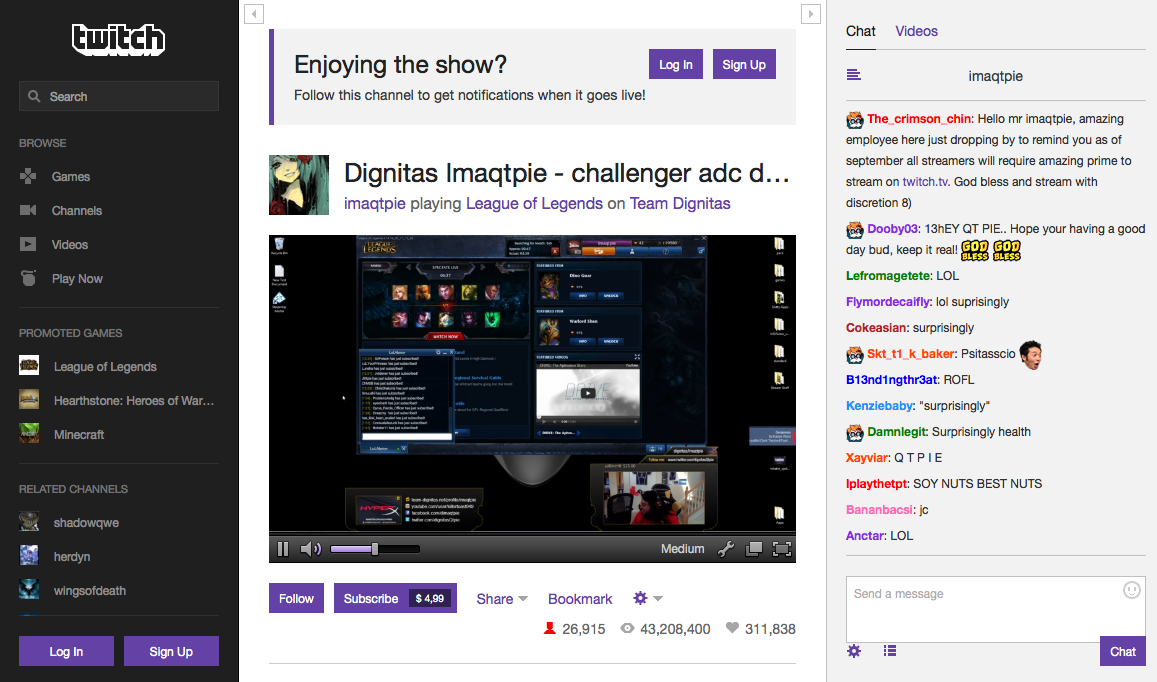
When capturing and storing Twitch content, it is crucial to be cognizant of the juridical implications surrounding content ownership and copyright laws. Twitch broadcasters should confirm they have the right to use any external content during their streams, including music, footage, or games that are not their original work. Familiarizing yourself with fair use principles can aid protect you against potential issues. Always strive to get permission or use public domain works to evade legal complications that could arise from infringing content employment.
Earning revenue through your recorded Twitch videos also demands attention to the platform's guidelines and any relevant copyright laws. Streamers can create income from their recorded VODs and clips by activating ad placements, implementing subscription models, or through brand partnerships. However, it is crucial to ensure that all material being monetized adheres with Twitch's rules. This includes acknowledging content rights and providing appropriate credit where appropriate. Grasping the regulations around monetization will empower content creators to enhance their revenue opportunity all the while staying infringing on the rights of others.
Ultimately, having a organized approach to preserving your Twitch recordings can profoundly influence both legal safety and monetization options. Create a clear method for cataloging your recorded files, using proper video types and ensuring high-quality audio and video to enhance viewer interest. Additionally, think about expanding your content by producing highlights or creating clips that can additionally attract an viewership, leading to enhanced channel growth. By taking these measures, you can protect your content while exploring various avenues for revenue generation.